
Menopause doesn’t usually arrive with a grand announcement.
It tiptoes in quietly; a skipped period here, a random night sweat there until suddenly it feels like your body changed the rules without looping you in. One day you feel steady, and the next you’re crying at a laundry commercial or staring at the ceiling at 3 a.m. wondering what on earth is happening.
If you’ve ever whispered to yourself:
“Is this normal…”
“Why didn’t anyone tell me…”
“Am I doing something wrong…”
Pause.
Breathe.
You’re not broken.
You’re not failing.
And you are not alone.
Here’s the truth we don’t say enough: menopause isn’t a malfunction; it’s a transition.
Just like puberty. Just like pregnancy. Just like every major shift your body has carried you through.
Your hormones are changing.
Your needs are changing.
Your energy is changing.
And yes sometimes it feels unpredictable, even wild.
But here’s the empowering part: once you understand what’s happening and build a few simple, supportive habits, everything becomes so much easier.
Think of this as a warm, friendly roadmap not a rulebook.
Let’s walk through it together.
Before we talk about habits or remedies, we need compassion.
Many women enter menopause thinking, “Why can’t I handle this better?”
But menopause isn’t just hot flashes. It’s:
That’s a lot for anyone to carry.
So if no one has told you lately: you’re doing beautifully.
So nothing feels mysterious or “out of nowhere.”
Often begins in your 40s (sometimes late 30s).
This is the “hormonal remix” stage where estrogen rises and falls unpredictably.
Common signs:
It can feel chaotic because symptoms aren’t consistent. That’s normal.
Defined as 12 months without a period.
It’s one day on the calendar, but symbolically huge.
Hormones settle at lower levels.
The years after.
Many symptoms ease, and the focus shifts to:
This is where thriving happens yes, thriving.
Small daily choices often work better than dramatic overhauls.
Food becomes a form of support not restriction.
Your body now benefits from:
And less:
A simple formula for every meal:
Why it helps:
Bonus foods: flaxseed, soy, leafy greens, berries, fatty fish.
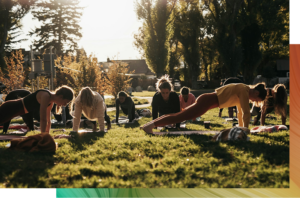
If there’s one non-negotiable habit, it’s strength training.
After menopause:
Strength training supports all three.
Try 2–3 times a week:
Benefits:
When your body feels strong, your spirit does too.
Sleep disruptions are one of the hardest parts of menopause and poor sleep makes everything else harder.
Try:
If night sweats wake you:
Even small improvements help your hormones reset.
Stress hits differently during menopause.
High cortisol can:
This isn’t about “thinking positive.”
It’s biology.
Gentle stress‑relief tools:
Five minutes count.
Dehydration can mimic menopause symptoms:
Aim for 2–3 liters a day.
Add lemon, electrolytes, or herbal teas for variety.
Your skin, joints, and energy will thank you.
Evidence‑Based Remedies That Truly Help
For Hot Flashes
For Mood Shifts or Anxiety
For Vaginal Dryness
For Brain Fog
For Low Libido
Your body deserves care, not silence.
The Emotional Side Matters Too
Menopause isn’t just physical.
It’s identity.
Its life shifting around you kids growing up, careers evolving, parents aging.
It’s a reflective season.
Sometimes grief shows up.
Sometimes freedom.
Sometimes in the same week.
Be gentle with yourself.
This isn’t decline.
It’s evolution.
Many women say, “This is when I finally became myself.”
There’s power in that.
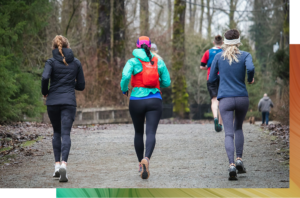
Focus on:
Focus on:
Focus on:
Think longevity, not limitation.
Reach out if you experience:
You don’t have to push through alone.
Hormone therapy can be life‑changing for many women.
You deserve options.
You are not fading.
You are not “less.”
You are not past your prime.
Menopause isn’t the end of vitality it’s often the beginning of deeper strength, clearer boundaries, and a more grounded sense of self.
You stop apologizing.
You start choosing yourself.
You care less about pleasing and more about peace.
That’s not loss.
That’s wisdom.
But with small habits, supportive remedies, and compassion toward yourself, this season
becomes manageable; even empowering.
Drink water today.
Take a walk tomorrow.
Lift a weight next week.
Tiny steps compound.
And remember:
You’re walking a path generation of strong women have walked before you and they came out brighter.