


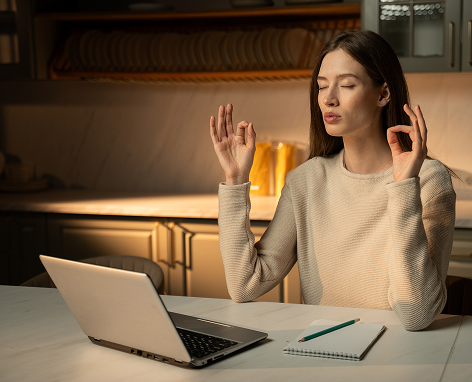
There are moments when anxiety doesn’t ask for permission, it just shows up. Your chest tightens, your thoughts speed up, and suddenly everything feels like too much.
If you’ve been searching for things to calm anxiety when you feel overwhelmed, this guide is for you because I’ve been in those exact moments, trying to steady myself while life kept moving.
Sometimes it’s subtle overthinking before a long day, feeling restless at night, or carrying the quiet pressure of being strong for everyone else. Other times, it’s intense: racing thoughts, shallow breathing, and the sense that you’re losing control.
As women who lead, care, and build something meaningful, we often carry invisible weight. I’ve learned through my own experiences balancing responsibilities, chasing bigger goals, and navigating everyday stress that anxiety isn’t a weakness.
It’s a signal; A pause, A reminder that your body needs grounding.
This guide shares 15 practical, science-backed things to calm anxiety, designed for real-life moments not just perfect situations.
When anxiety spikes, your body activates the fight-or-flight response to your built-in survival system.
The challenge is that your brain doesn’t always distinguish between real danger and everyday stress. A conversation, a deadline, or even your own expectations can trigger the same reaction.
That’s why anxiety can feel sudden and overwhelming.
What Makes Anxiety Feel Worse in the Moment
I’ve caught myself doing this holding my breath without realizing it until my body feels tense and uneasy.
Calming anxiety isn’t about eliminating it completely. It’s about interrupting the spike long enough for your body to reset.
According to American Psychological Association, grounding techniques and controlled breathing can help reduce acute anxiety by calming the nervous system.
If you’re reading this while feeling anxious, try this right now:
You don’t need to do everything at once. Just start here.
Take a slow four-second inhale, hold it for seven, and exhale gently for eight.
I’ve used this before stepping into stressful situations, and within minutes, I feel calmer and more in control.
Tense and release each muscle group from your feet upward.
You’ll be surprised how much tension your body has been holding.
Splash cold water on your face or hold something cold.
This activates your body’s reset reflex and quickly lowers stress.
Use a weighted blanket, heavy hoodie, or even a book.
That pressure creates a sense of stability and safety.
Stretch, walk, or roll your shoulders.
Whenever I feel overwhelmed, moving even slightly helps release tension.
Mental Techniques to Calm Anxiety Quickly
Identify:
This pulls your mind out of overthinking.
Inhale, hold, exhale, hold each for 4 seconds.
Used in high-stress environments because it works fast.
Say: “I feel anxious, but I’m not in danger.”
Naming the feeling reduces its intensity.
Imagine your thoughts drifting like clouds.
Just because a thought shows up doesn’t mean it’s true or worth believing
Picture a calm place.
This mental reset is especially helpful at night.
You’re not falling apart, your nervous system is simply asking for support.
Environmental Changes That Help Calm Anxiety
Step outside, switch rooms, or adjust lighting.
Even small changes can interrupt anxiety.
Lavender, peppermint, or eucalyptus can shift your mood quickly.
Rain sounds, soft music, or brown noise help regulate your system.
I personally rely on calming sounds when my mind feels too loud.
Clean or organize one small area.
That quick action creates a sense of control.
Herbal teas like chamomile or lemon balm can reduce stress.
Holding a warm mug alone can feel grounding.
“Calm isn’t something you find it’s something you practice.”
In today’s fast-paced world, constant notifications, pressure to succeed, and emotional responsibility can keep your nervous system on high alert.
That’s why having simple, accessible tools matters more than ever.
Keep items ready:
Think of it as your personal reset kit.
Small habits create long-term calm.
If anxiety affects your daily life, sleep, or relationships, professional help can
make a difference.
Therapies like CBT and somatic approaches are widely recommended.
Ask:
“What do I need right now is physical calm, mental clarity, or a change in
environment?”
Create Your Personal Plan
Having a plan makes anxious moments easier to manage.
Final Thoughts
Anxiety is not a failure. It’s a signal.
And if you’re someone who carries responsibility, ambition, and the desire to build something meaningful, it makes sense that your mind sometimes feels overwhelmed. I’ve had moments like this too and learning how to respond instead of react changed everything.
Start small. Choose two or three techniques and practice them regularly.
Before You Go
If this helps you, save this page so you can come back to it when anxiety hits.
You don’t need to remember all 15 things just knowing you have tools is enough.
And if someone you know is feeling overwhelmed, share this with them.
Sometimes support starts with something simple.
Pause here—this is your moment to reset.
Before you scroll away, take one slow breath in… and a longer breath out.
If you’re ready to take back your calm and lead from a grounded place, don’t stop here.
Save this guide, practice one technique today, and start building your personal
anxiety-calming routine.
And if you want more tools, rituals, and science-backed strategies to support your emotional well-being, join The Woman Leader community—where women who carry the world on their shoulders learn to breathe again, set boundaries, and rise with clarity.